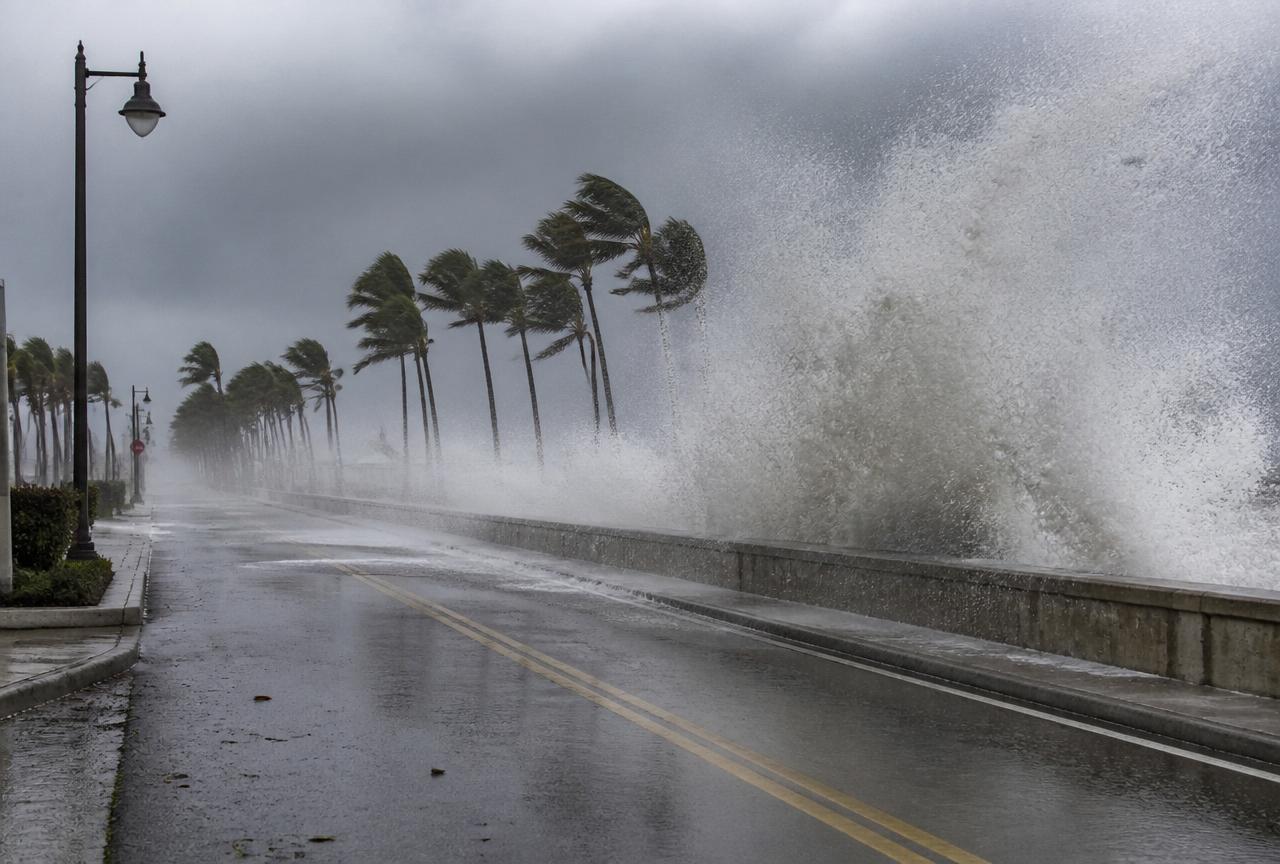
Living on a peninsula means taking storm season seriously. Here's a practical, no-panic checklist for your home and family.
Hurricane season runs from June 1 through November 30, and in a low-lying coastal county like Pinellas, preparation isn't optional — it's part of living here. The good news: a little planning now means far less stress when a storm is actually in the forecast. Here's how to get ready.
Know your evacuation zone
Pinellas County uses lettered evacuation zones (A through E) based on storm-surge risk. Look yours up on the county's website before the season starts and write it down somewhere you'll remember. Evacuations are ordered by zone, not by whim — knowing yours tells you exactly when it's your turn to go.
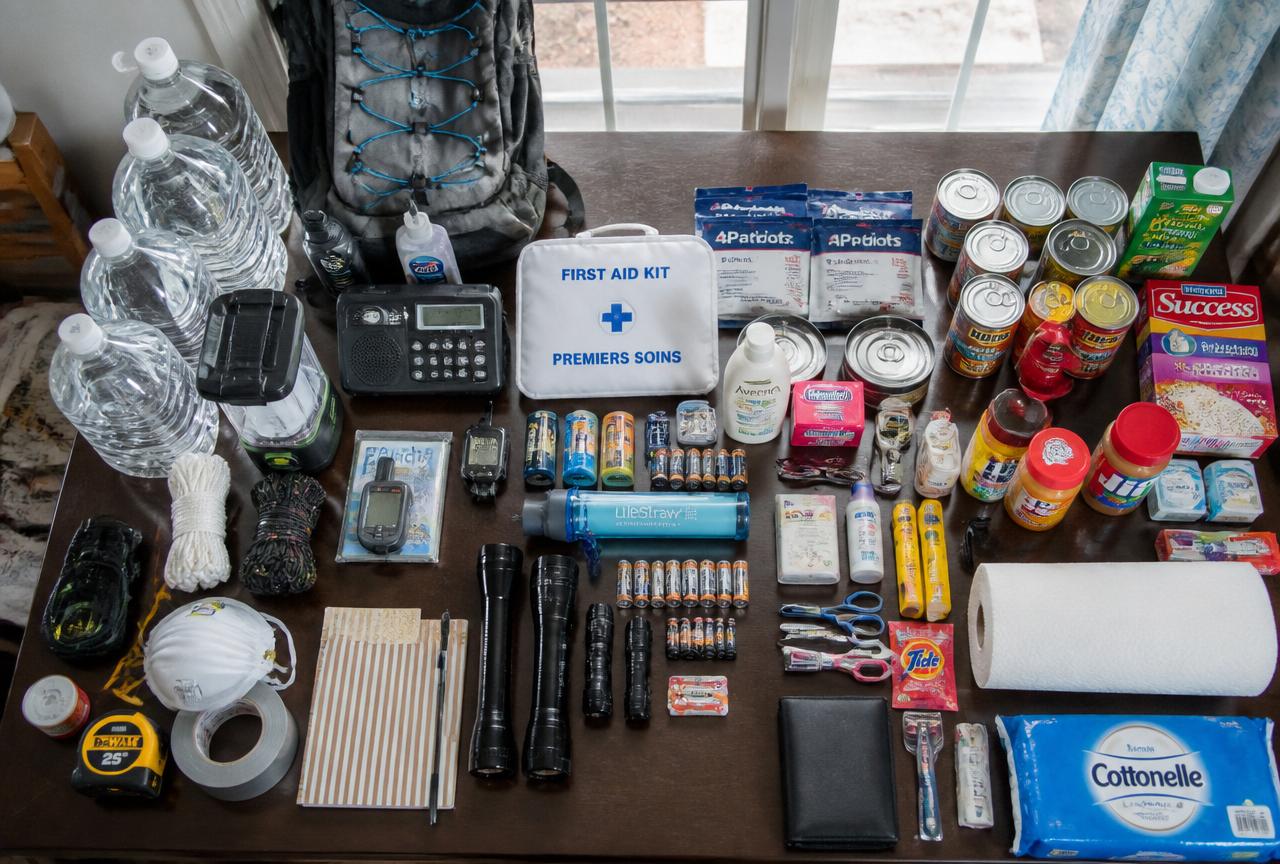
Build your kit early
Shelves empty fast once a storm is named. Assemble your kit in May so you're not fighting crowds later.
- One gallon of water per person per day, for at least seven days
- Non-perishable food and a manual can opener
- Flashlights and extra batteries (candles are a fire risk)
- A battery or hand-crank NOAA weather radio
- First-aid supplies and a two-week supply of medications
- Phone chargers and a power bank
- Cash in small bills — ATMs and card readers fail when power is out
Protect your home
- Know where your hurricane shutters or plywood are, and that they fit
- Trim trees and clear gutters before the season
- Photograph your home and belongings for insurance
- Bring in or secure anything that can become a projectile
Have a plan, not just supplies
Decide now where you'll go if you're told to evacuate — a friend inland, a hotel, or a public shelter. Make a plan for pets (many shelters are pet-friendly but require registration). Share your plan with out-of-town family so someone always knows where you are.
When a storm is named
Top off your gas tank, fill prescriptions, charge everything, and fill your car and a few jugs with water. If you're in an evacuation zone and the order comes, leave early — you're driving to safety, not distance, so inland by tens of miles is often enough.
Preparation turns a frightening event into a manageable one. Do the boring work in the spring, and you'll be grateful all season long.
Enjoyed this? Share it with a neighbor.